 By Juan Lucia
Introduction: Where Law and Human Drama Intersect
Few places better reflect the heartbeat of a society’s values than its criminal courts. Beyond the solemn walls and robed judges, these courtrooms are crucibles where justice is tested, innocence is defended, guilt is proven, and freedom or punishment is decided. To the layperson, criminal court may seem an intimidating realm of rigid rituals and cold legalese, but within its framework unfolds some of the most consequential human stories—stories of wrongdoing, redemption, punishment, and sometimes, tragic error.
Understanding the Purpose of Criminal Court
At its core, the criminal court exists to uphold the rule of law by resolving accusations of crime against individuals or organizations. Unlike civil courts, which settle disputes over contracts, property, or personal grievances, criminal courts determine whether someone has violated laws deemed so vital that the state itself becomes the prosecuting party.
When an individual stands accused of a crime, the stakes are uniquely high. A verdict can mean loss of freedom, reputation, livelihood—or, in rare cases, life itself. The criminal court system ensures this grave power is wielded with careful process, balancing the public’s interest in safety with the accused’s fundamental rights.
The Players in the Criminal Courtroom
A criminal trial brings together an array of professionals whose roles are distinct yet intertwined.
1. The Judge
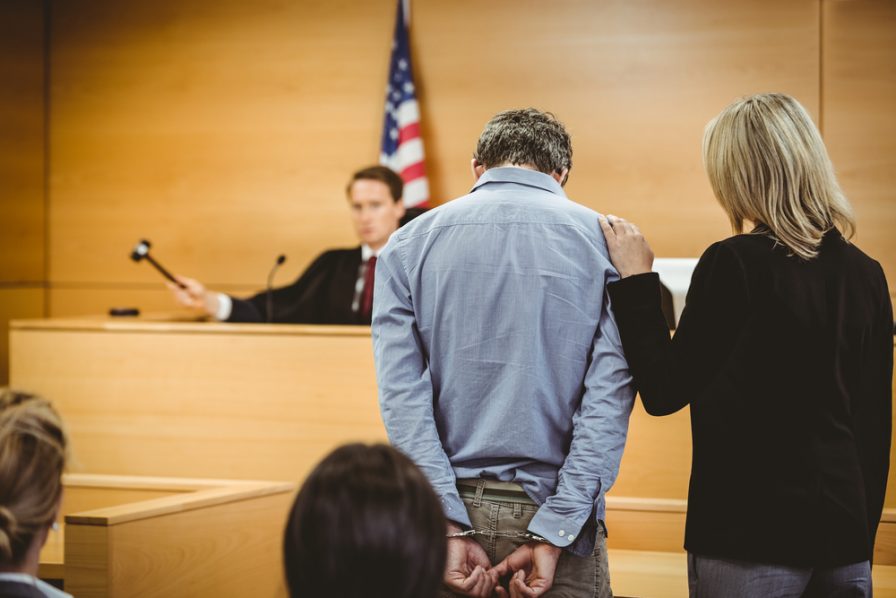
The judge is the ultimate authority in the courtroom, ensuring that proceedings adhere to established law and decorum. They interpret statutes, rule on motions, instruct juries, and in many cases, deliver the sentence once a verdict is reached.
2. The Prosecutor
Tasked with representing the state or government, prosecutors must prove the defendant’s guilt beyond a reasonable doubt. Their duty is not merely to win but to seek justice, which sometimes means dropping weak cases or disclosing evidence that favors the defense.
3. The Defense Attorney
Defense lawyers protect the accused’s rights, challenge the prosecution’s evidence, and present alternative narratives when possible. Whether a public defender or privately hired counsel, they are the last line of defense against wrongful conviction.
4. The Jury
In many systems, a group of ordinary citizens serves as the fact-finder. Jurors hear evidence, weigh credibility, and decide whether the state has met its burden of proof. Their verdict must be unanimous in most serious cases.
5. The Court Staff
Behind the scenes, clerks, bailiffs, and court reporters keep proceedings orderly and accurately recorded. Their often-overlooked work ensures the integrity of the judicial process.
Stages of a Criminal Court Case
A criminal case typically unfolds through a series of structured steps designed to safeguard fairness and prevent abuse of power.
Arraignment
Following arrest and charges, the defendant appears before the court to hear the formal accusations. They enter a plea—guilty, not guilty, or no contest—and the judge sets bail or detention terms.
Pre-Trial Motions
Attorneys for both sides file motions to shape what evidence and arguments the jury will hear. Key motions may seek to suppress illegally obtained evidence or dismiss charges lacking probable cause.
Trial
The trial is the heart of the process. It includes:
-
Jury selection, where attorneys weed out potential jurors with hidden biases.
-
Opening statements, offering each side’s narrative.
-
Presentation of evidence, with direct and cross-examinations.
-
Closing arguments, summarizing why the jury should believe one side over the other.
Verdict and Sentencing
If the jury reaches a unanimous decision, the judge announces the verdict. In the event of a conviction, sentencing may occur immediately or at a later hearing where mitigating and aggravating factors are weighed.
Appeals
A conviction is not always the final word. Defendants can appeal if they believe legal errors affected the trial’s fairness. Appeals courts examine records for procedural mistakes rather than re-evaluating evidence.
The Bedrock of Justice: Rights of the Accused
Modern criminal courts are built on centuries-old principles designed to prevent tyranny and protect the innocent. Key rights include:
-
Presumption of Innocence: The accused is innocent until proven guilty.
-
Right to Counsel: Every defendant has the right to an attorney, regardless of ability to pay.
-
Right to a Fair Trial: Trials must be public, impartial, and conducted without undue delay.
-
Protection Against Self-Incrimination: Defendants cannot be compelled to testify against themselves.
-
Protection Against Double Jeopardy: One cannot be tried twice for the same crime once acquitted.
These protections distinguish free societies from regimes where courts become tools of oppression.
Challenges and Critiques
While the criminal court system aspires to fairness, it is not without flaws.
-
Backlogged Dockets: Overwhelmed courts can delay justice for both victims and the accused.
-
Disparities in Representation: Those who can afford seasoned private counsel often fare better than those with overworked public defenders.
-
Systemic Bias: Critics point to racial and socio-economic biases that can skew outcomes despite formal equality under the law.
Modern Innovations and Reforms
Courts continually adapt to new realities. Many jurisdictions now explore reforms such as:
-
Drug Courts: Specialized programs divert non-violent offenders into treatment rather than prison.
-
Restorative Justice: Some systems prioritize victim-offender mediation, encouraging accountability and healing.
-
Technological Upgrades: Virtual hearings and digital evidence management help streamline processes.
The Enduring Importance of Criminal Courts
Despite their imperfections, criminal courts remain a cornerstone of any functioning democracy. They balance society’s need for safety with the individual’s right to liberty and due process. Within their walls, the ancient dance between power and freedom plays out daily—reminding us that the law is not a distant abstraction but a living force shaped by ordinary people asked to do an extraordinary duty: to judge their peers fairly.
Conclusion: Justice as a Collective Duty
Stepping into a criminal court is to witness the law in its most dramatic, consequential form. These courts do not merely punish wrongdoing; they define the standards of right and wrong that bind a community together. By striving—however imperfectly—to balance mercy with accountability, criminal courts safeguard the delicate trust that makes civil society possible.
In the end, the criminal court is not just a place where sentences are handed down. It is where we collectively affirm our commitment to justice, truth, and the idea that, no matter the crime, fairness must be our guiding star.