
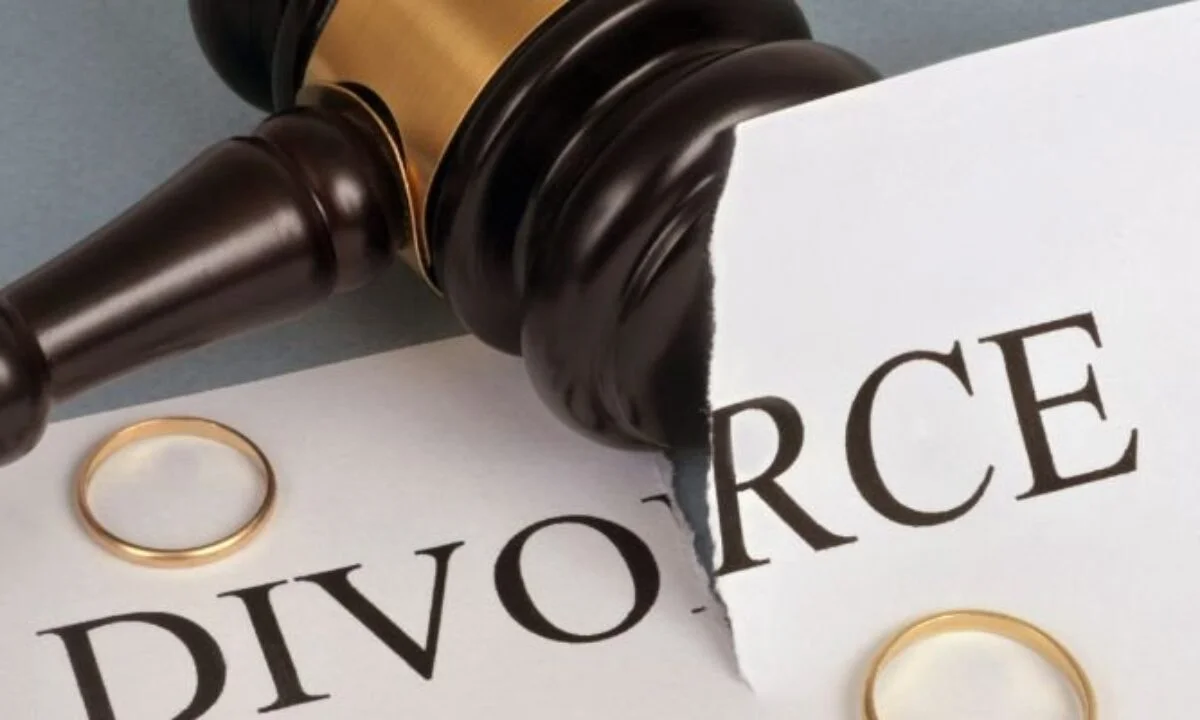
Divorce

Untying the Knot: A Candid Reflection on Divorce and Its Modern Realities

Introduction: The End of a Chapter, Not a Life

Few words evoke such a tangle of emotion as divorce. For some, it signals failure, heartbreak, and loss; for others, it represents freedom, survival, and the hope of a fresh start. In every corner of the world, divorce is both an intensely private decision and a public legal act—a testament to the complexity of human relationships and the structures that bind them. To dismiss it simply as the dissolution of a marriage is to overlook the layers of social, psychological, and legal realities that shape this profound transition.

A Historical Glimpse: From Taboo to Commonplace

For centuries, divorce was rare, taboo, and often legally impossible for many. In the Western world, laws once bound couples together for life, regardless of misery or betrayal. The social stigma of ending a marriage lingered heavily over entire families, particularly women, who often faced economic ruin and societal scorn.

In modern times, changing views on marriage, gender equality, and individual freedom have reshaped how societies approach divorce. Once whispered about in shame, it is now recognized as an unfortunate but sometimes necessary part of life—an exit door for relationships that cannot or should not be saved.

The Legal Framework: Dissolving a Union

At its most basic, divorce is the legal termination of a marriage contract. This deceptively simple definition masks a complex process involving property division, financial arrangements, and—most sensitively—matters of children and custody. While laws vary from country to country, certain fundamentals remain universal.

Grounds for Divorce

Many modern legal systems allow no-fault divorce, enabling spouses to end a marriage without proving wrongdoing. This approach acknowledges that sometimes incompatibility, disconnection, or irreconcilable differences are reason enough.

In some regions, fault-based grounds—such as adultery, abandonment, or cruelty—still play a role. Proving these claims can influence property settlements and child custody, though they often add bitterness to an already painful process.

Key Aspects of Divorce Proceedings

1. Property Division

Marital property includes assets and debts accumulated during the marriage. Depending on the jurisdiction:

  • Community Property States: Assets are typically split equally.

  • Equitable Distribution States: Courts aim for a fair, though not always equal, division based on contributions, needs, and earning potential.

2. Spousal Support

Also known as alimony, spousal support addresses economic imbalances that can arise when one partner has sacrificed career advancement or earning capacity for family responsibilities. Courts consider factors such as length of marriage, age, health, and each spouse’s financial situation.

3. Child Custody and Support

Perhaps the most delicate aspect of divorce is deciding how children will be cared for. Courts prioritize the child’s best interests, weighing:

  • The emotional bond with each parent

  • Stability and continuity of care

  • Parental ability to provide a safe, nurturing environment

Financially, child support ensures both parents contribute to the child’s upbringing, with formulas varying by jurisdiction.

Emotional and Social Impact: Unseen Costs

While the legal framework is essential, it barely scratches the surface of divorce’s human impact. The end of a marriage often brings waves of grief, anger, relief, guilt, and even unexpected gratitude. Individuals must navigate not only the loss of a partner but the reshaping of family dynamics, friendships, and their own sense of identity.

Effects on Children

Children of divorce can thrive—but only if parents prioritize their well-being over personal conflict. Studies show that parental hostility and drawn-out custody battles, not divorce itself, inflict the deepest wounds. Open communication, consistency, and a commitment to co-parenting can buffer children against long-term harm.

Social Stigma: Fading but Not Gone

In many places, divorce is far less stigmatized than it once was. Yet cultural and religious attitudes can still cast a long shadow. In some communities, divorce remains a mark of shame, particularly for women who may face isolation or economic disadvantage.

The Rise of Alternative Dispute Resolution

Recognizing the toll that traditional litigation can take, many couples today opt for alternative paths to resolution.

Mediation

A neutral third party helps couples negotiate terms, encouraging collaboration rather than confrontation. Mediation can:

  • Reduce legal fees

  • Preserve civil communication

  • Empower both parties to shape outcomes

Collaborative Divorce

This approach involves both spouses, their lawyers, and sometimes other professionals, like child specialists or financial advisors, working together outside the courtroom to reach fair agreements.

Rebuilding After Divorce: A New Beginning

Though painful, divorce can also be transformative. Many discover reserves of resilience and clarity they did not know they possessed. Life after divorce demands recalibration—financially, emotionally, and socially—but it also offers a second chance to build a life better aligned with one’s values and needs.

Tips for Navigating Divorce with Dignity

  • Seek Wise Counsel: A good family law attorney ensures your rights are protected and your future is not compromised by hasty decisions.

  • Prioritize Children’s Needs: Keep their routines stable and avoid using them as pawns in adult conflicts.

  • Practice Self-Care: Therapy, supportive friendships, and time for reflection ease the path to healing.

  • Plan Financially: Understand your assets, debts, and new budget to avoid unpleasant surprises.

Conclusion: A Necessary Part of Life’s Complexity

Divorce is never simple, never easy, and never entered into lightly. Yet it exists for a reason. It protects individuals from lifelong entrapment in relationships that have eroded beyond repair. It allows children to grow up in homes free of constant conflict. And it reminds us that, sometimes, the healthiest choice is not to hold on but to let go.

In the end, divorce is not merely an ending—it is a turning point. It offers each person a chance to rediscover themselves, redefine what partnership means, and perhaps, one day, open their heart to love again—wiser, braver, and more certain of their own worth.

What is your reaction?

Excited
0
Happy
0
In Love
0
Not Sure
0
Silly
0

You may also like

Comments are closed.

More in:Divorce